
Tag: demo

FYP Image Gallery

Demo Day
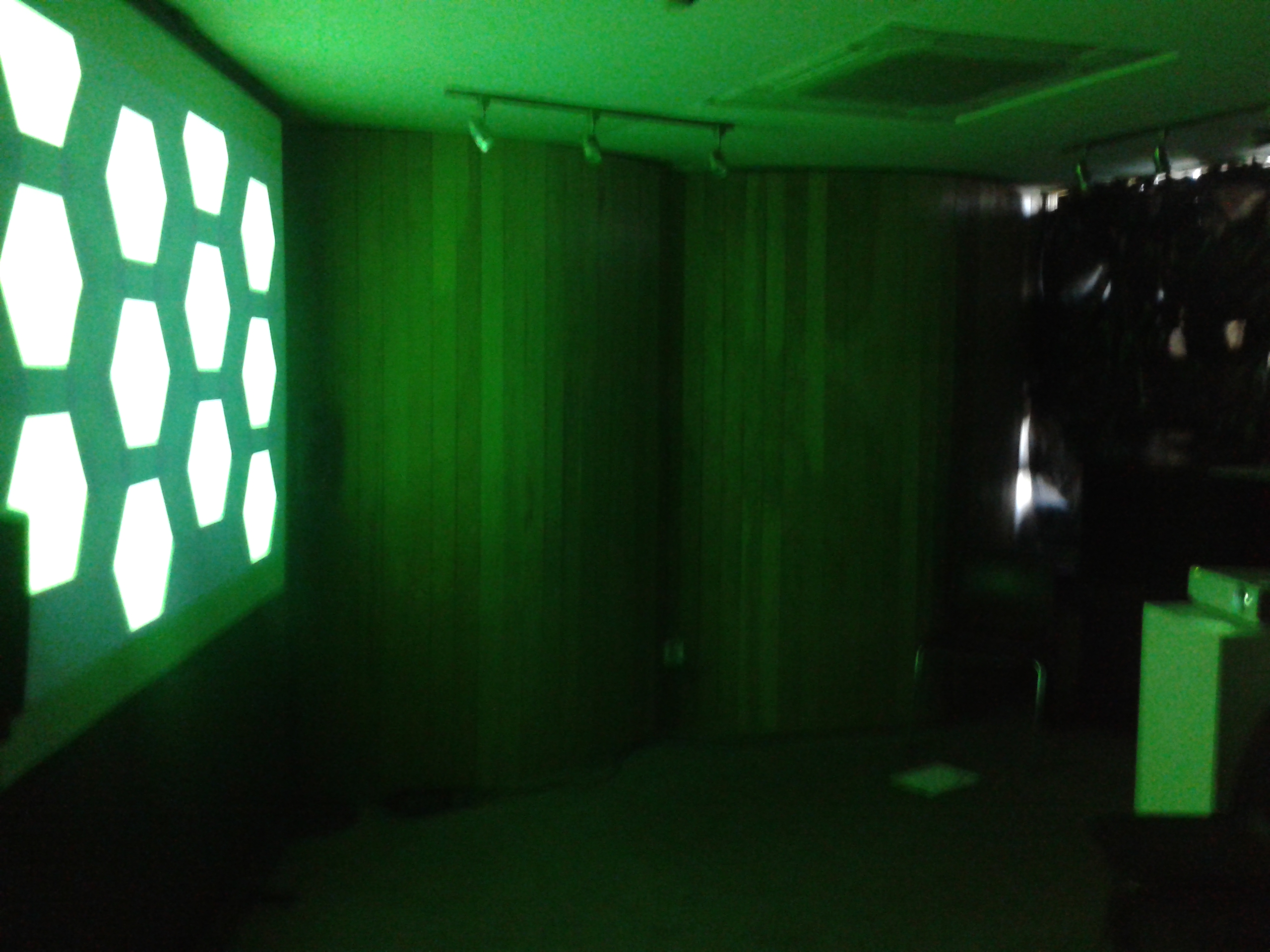
Demo Day
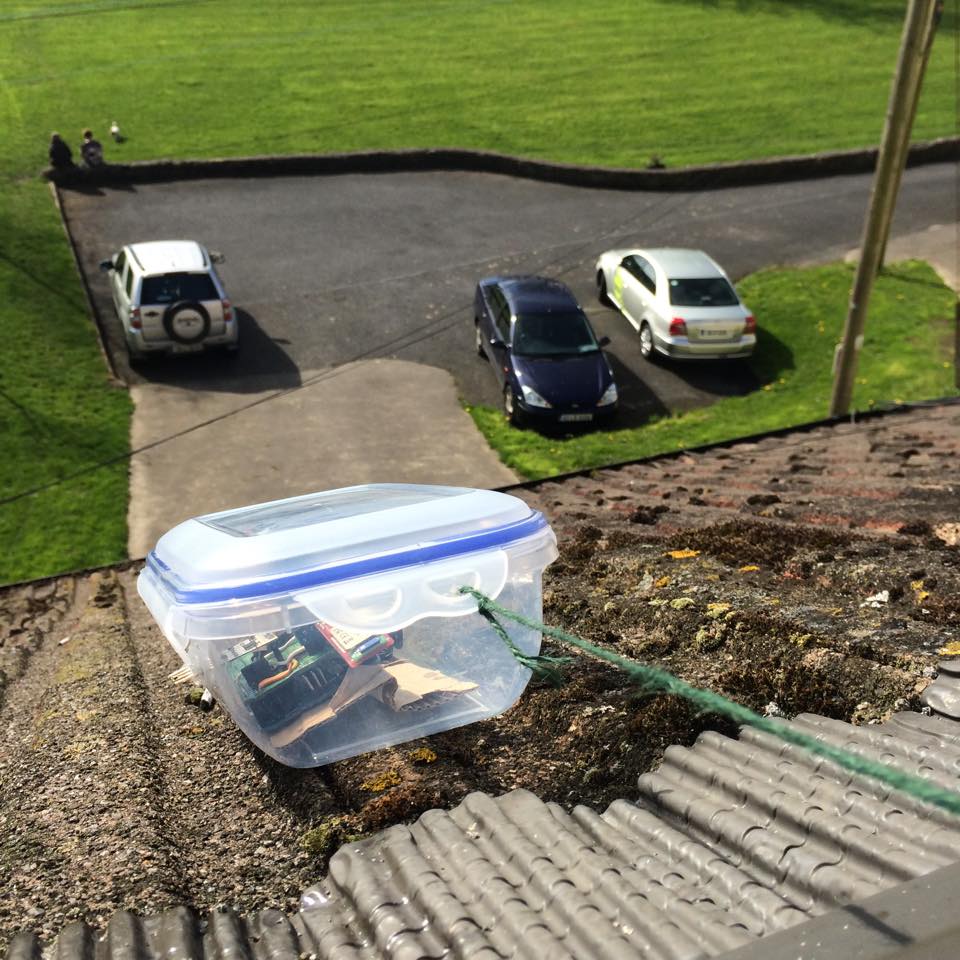
Outdoor Station
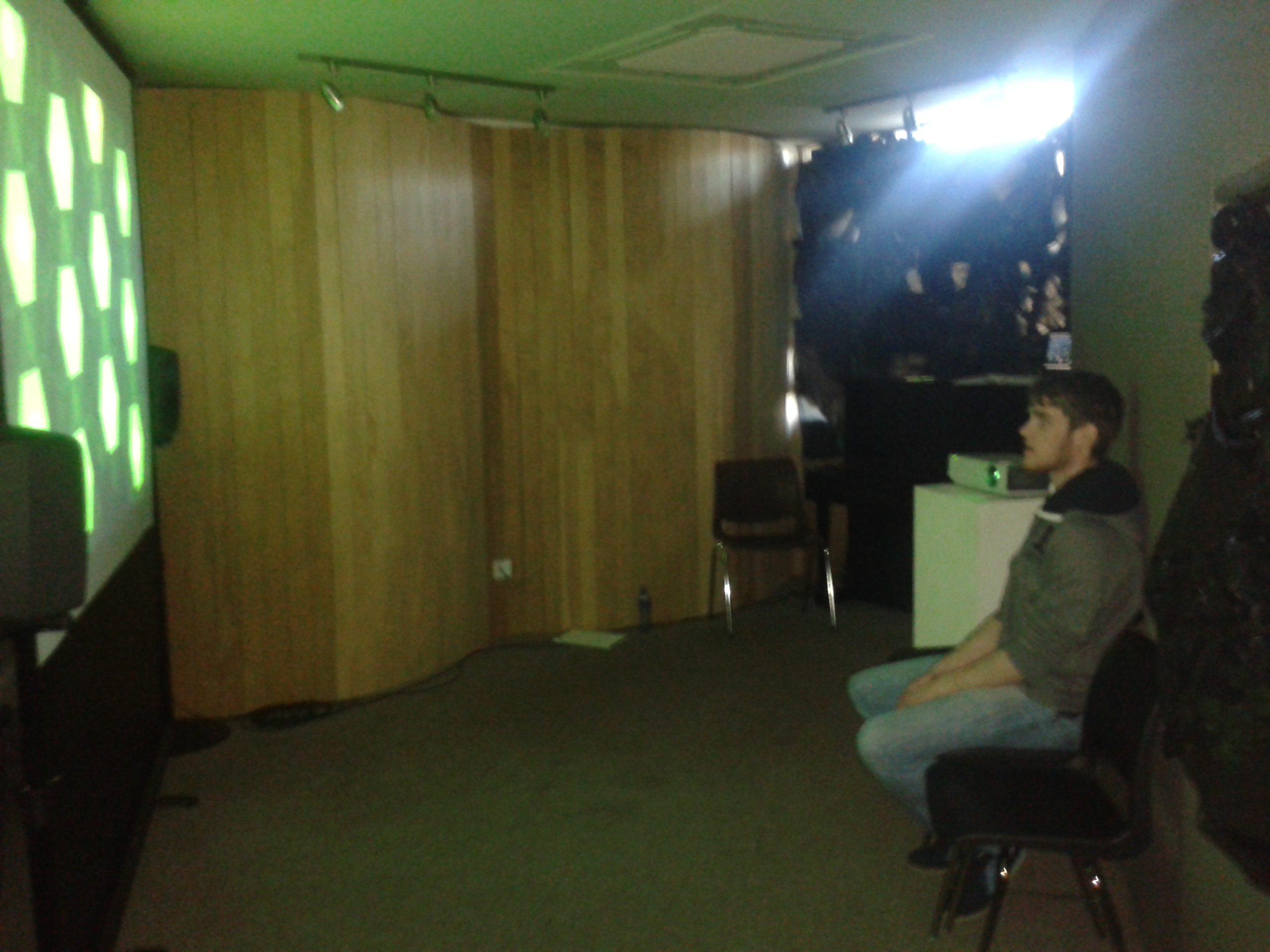
Observer
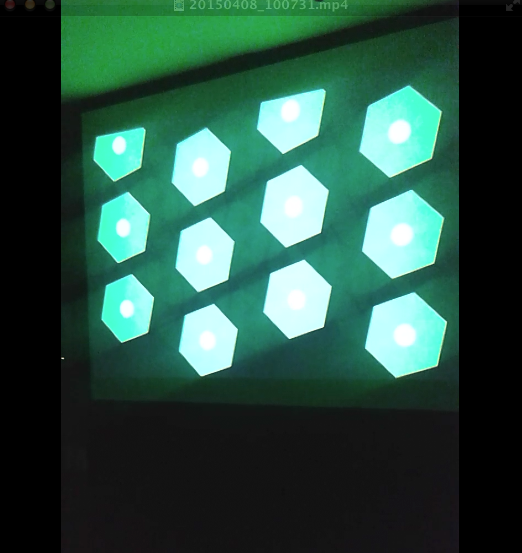
Visualization
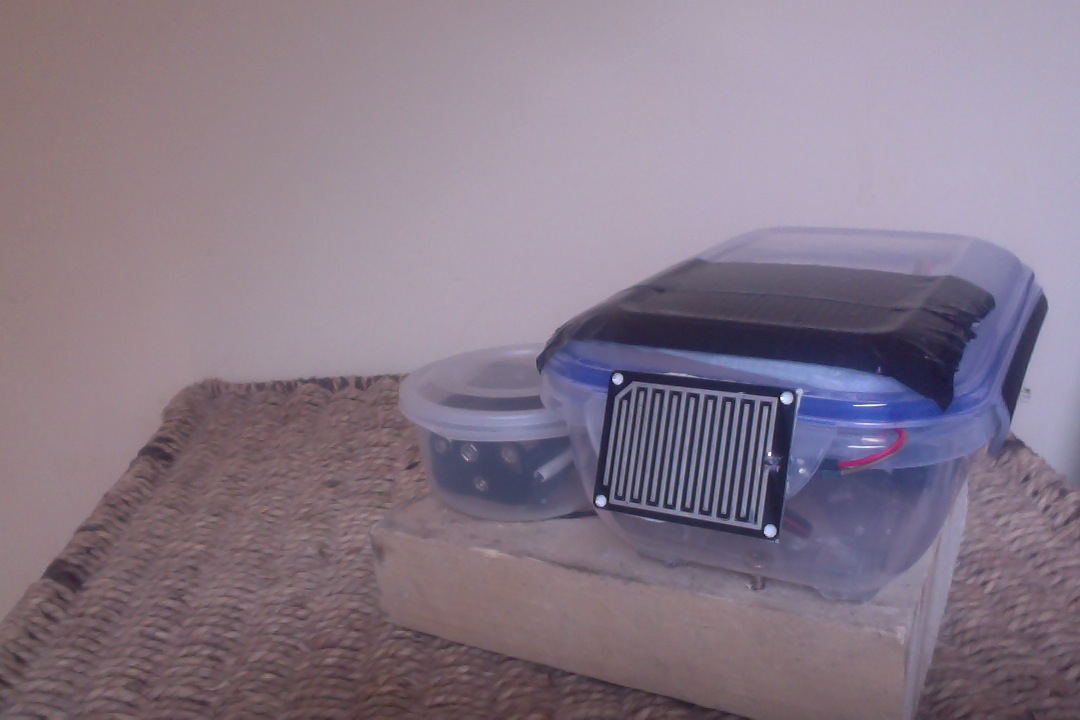
Finished Station
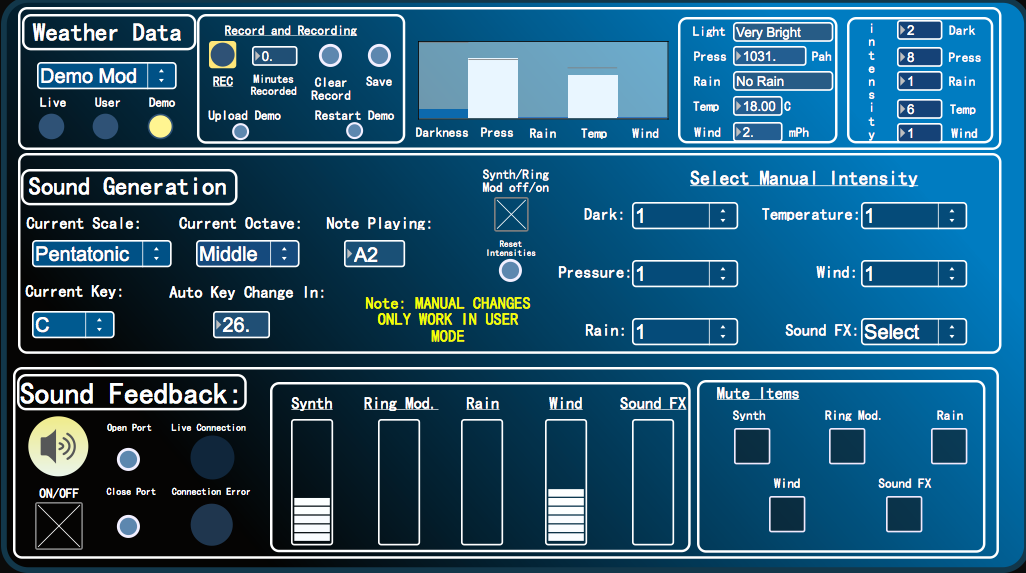
User Interface

Final Product Visuals
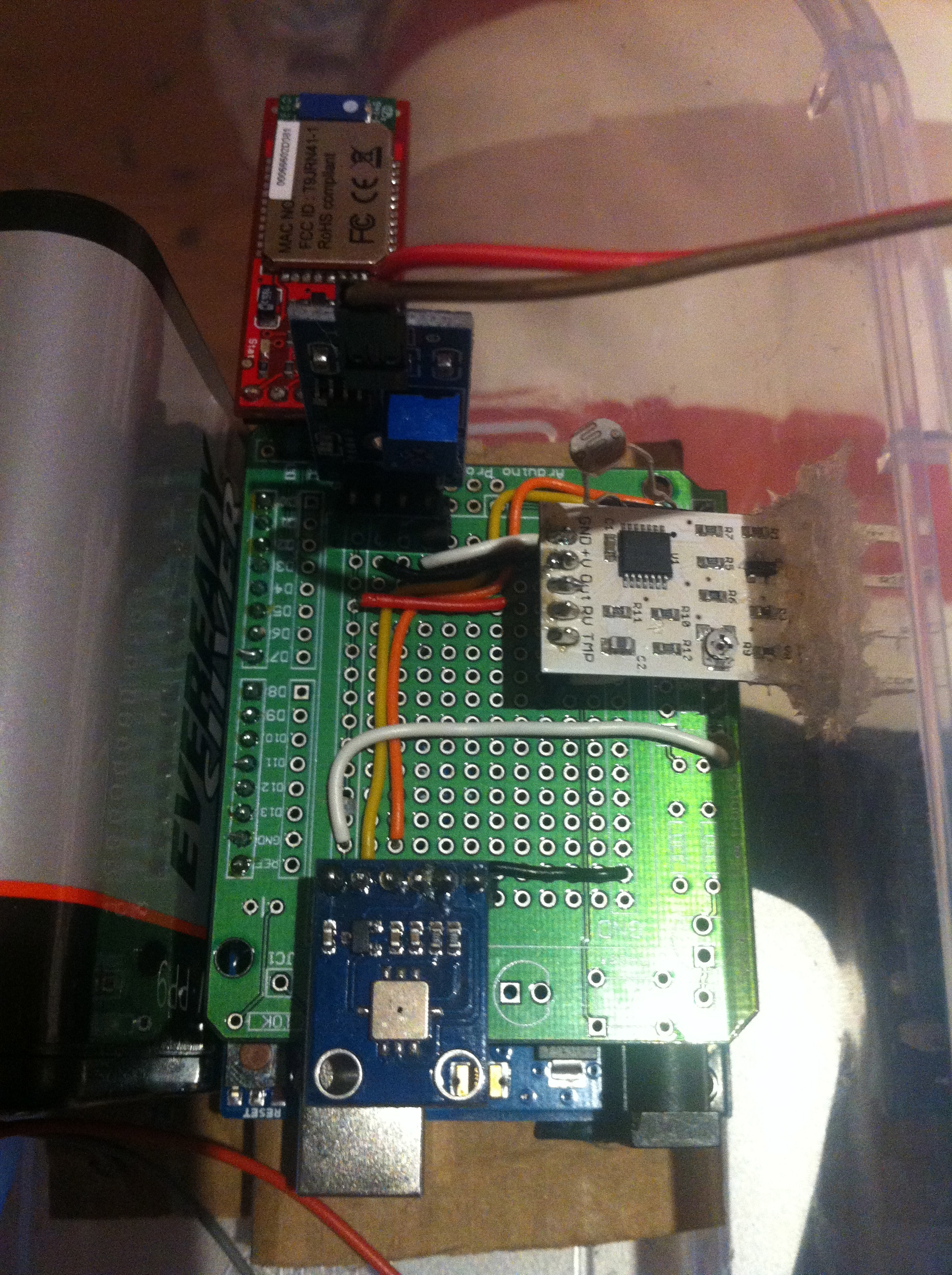
Circuit

Schematic

Exposing Wind Sensor
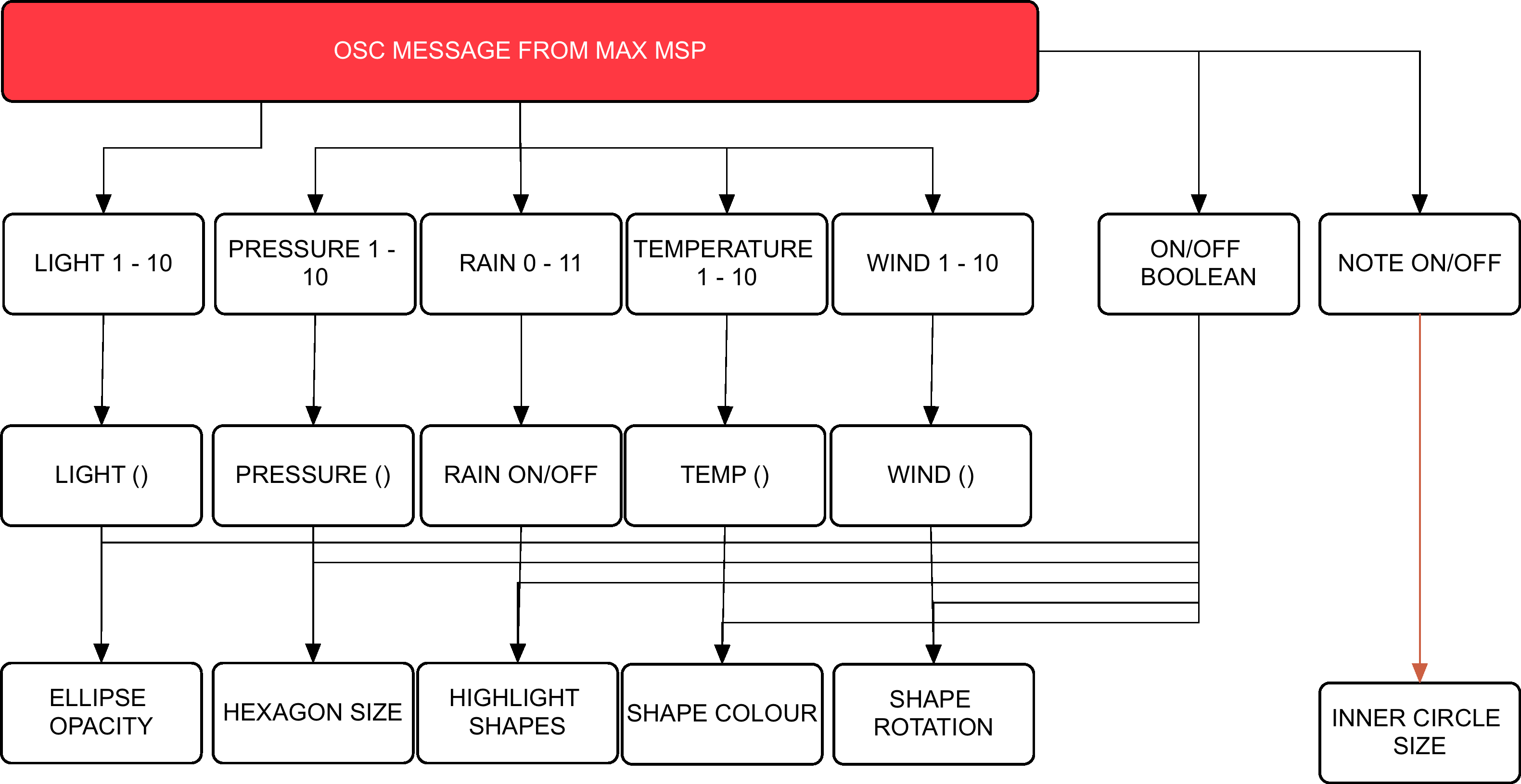
Flow Chart Visuals

Flow Chart Audio

Max Patch Development

Weather Average to select scale

Scale Intensities 1-10

Max MSP Algorithmic Processes
Created 2014:
For own final assessment in Digital Media Software and Systems 4 in 2013, we were required to build a music performance system in Max MSP that illustrates the algorithmic processes covered in this course. We had to perform with this system in a live context, in groups of five people. Each one of use would focus on different algorithmic processes within our patch. The video below is just a demonstration of my part. Others focused on drums samples, vocoders, synth etc. and we would then play together simultaneously. The algorithmic processes which we studied for this involved:
• random, drunk, and urn
• weighted distribution
• Markov chain
• fractal or self-similar process
• Logistics Map
• other chaotic process (Hénon, etc.)
The patch demonstrated below features Markov Chain and random, drunk, and urn. Our aim as a group was to manipulate the stochastic behaviour of the algorithms in such a way that is was still pleasing i.e. or notes were random but only within specific scales in order to sound pleasing.
Demonstration:
(I will be rerecording a demo of this with internal recording to omit the noise interference,)
Digital Performance System
Created 2013:
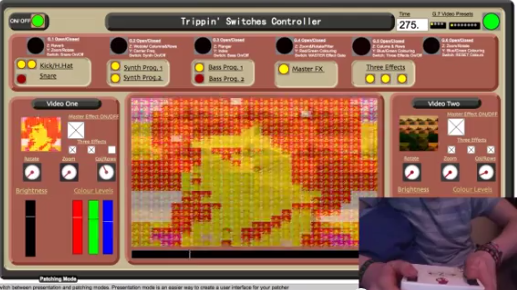
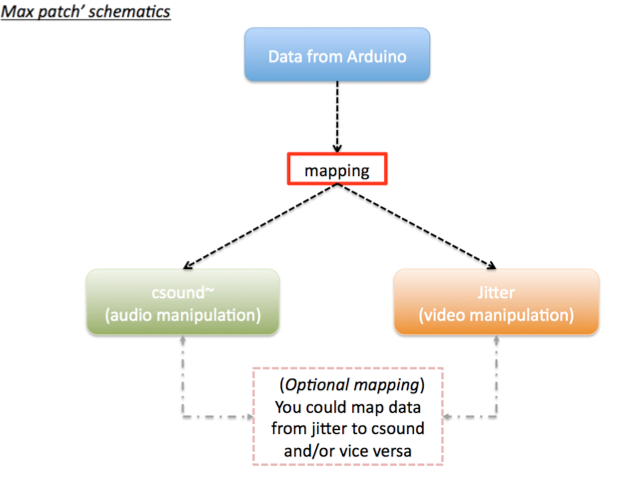
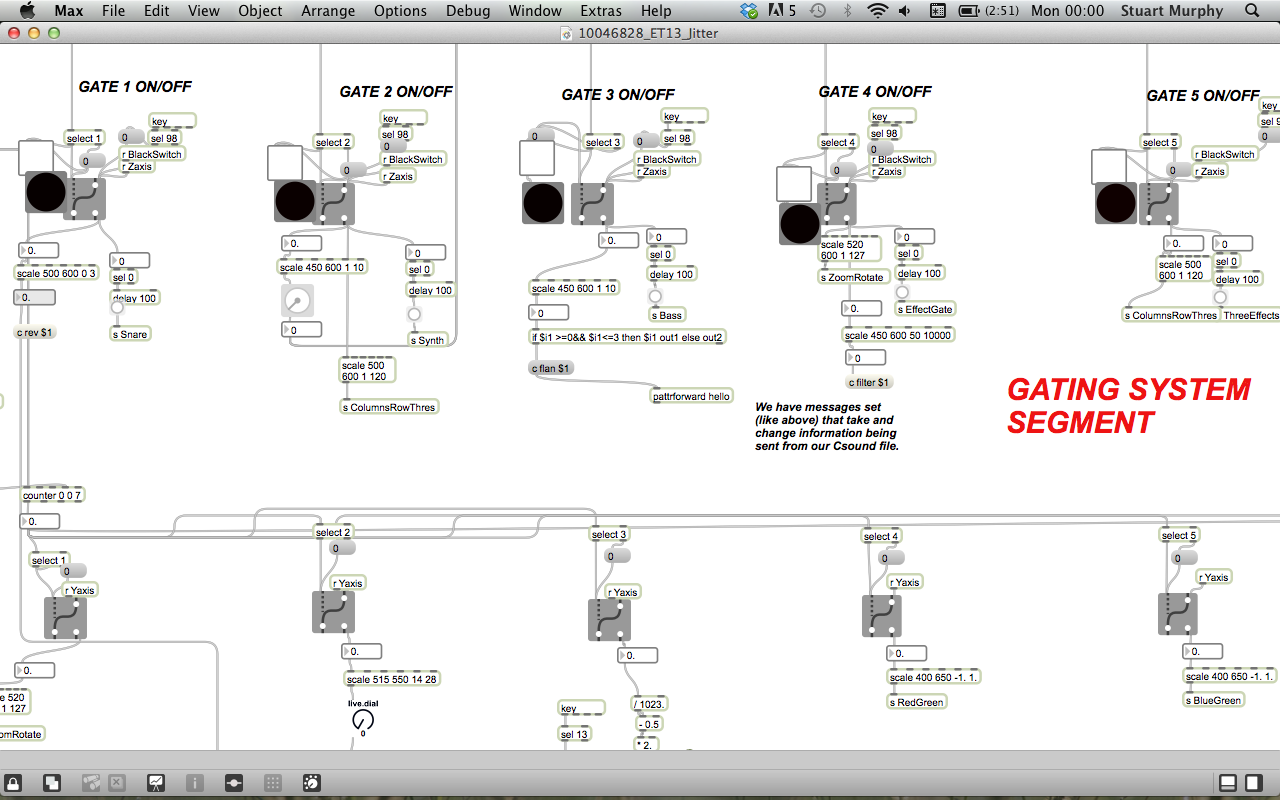
The project sees Arduino/Electronics, CSound & Jitter come together creating an audiovisual system to perform with. It enables live video manipulation and live control of CSound synthesis. We created a simple hand held box that contained two buttons, an accelerometer and an Arduino microcontroller. This gave us control over what was heard and seen i.e. the buttons could toggle through different states while tilting the boxed changed specific values in each selected state. We used referenced video loops to manipulate the visuals in Max MSP, we, however, created all the audio components ourselves within CSound through coding. This included the bass, kick and snare you can hear in the demo. How these sounds are triggered is determined within Max MSP based on the gating system I created to filter signals from the Arduino. The videos below give further explanation and you can click here to read our NIME style paper.
Our end product had the ability to:
- Send sensor data from Arduino into Max MSP.
- Enable the manipulation and control of audio and video using sensors through mapping techniques.
- Run CSound in real-time via the Max MSP csound~ object. Audio material for CSOUND:
- Manipulate video loops within our Jitter patch.
Schematic Route
Explanation and Demonstration:
Screenshots:

Max Patch 1

Max Patch 2

Max Patch 4
Max Patch 3

CSound Segment
 Stuart Creates