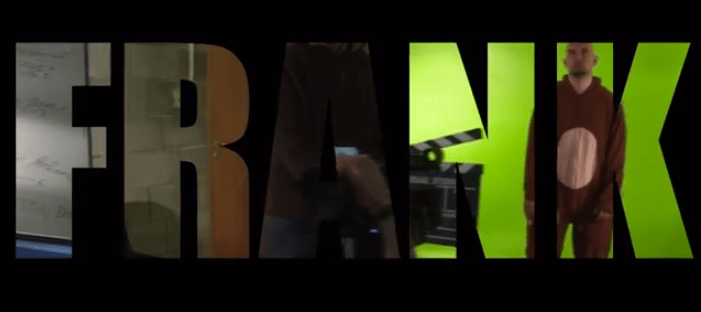
Created 2013:
The was a group project that entailed the production of a HDV short film with Foley Sound replacement, ADR dialogue replacement and sound design. The aim was to achieve expertise in the use of cameras, lighting, audio-recording, editing and sound-design.
My Role:
I undertook the responsibility of managing the sound. Dissimilar to our previous projects, I was required to explore the techniques used specifically for sound recording in greater detail. As a team, we decided that all of our audio attributes of the short film would comprise of Foley and ADR methods. Both of these techniques are implemented during the postproduction of a film. As our team captured footage, my sound recording colleague and myself recorded the raw sounds. By recording these raw sounds during filming and then add our own in postproduction, we had complete control over the timing, quality, and relative volume of the sound effects. Same rule applied to how we captured dialogue. Our entire dialogue was re-recorded within the studio. Once we finished capturing the film, we were then able to make a full list of dialogue and Foley requirements. Trying to create the correct recipe for an accurate replication took a few trials. Not all-sound replacement was recorded in the studio. We recorded live atmospheres, birds, cars, door sounds etc. using a Rode microphone. We did this because these sounds were elements that were hard to imitate within the Foley studio. A constant reference to levels was also pivotal. The setup within the studio provided us the opportunity to capture a professional standard of sound recording, making the most of auxiliaries’ sends, buses, headphones, monitors, dual room communication etc. All of our sounds were recorded dry and later effects such as reverb, panning, filtering were added. We put strong use to our knowledge about proximity effect, region recording, and loop playbacks. We recorded several versions of each Foley effect and Dialogue replacement and then selected the best fitting. Once all are sounds were recorded and edited, they were then prepared to be located correctly within the film. The end goal is to make these Foley and ADR’s sounds seem as natural as possible.
Screenshots:

On Set

On Set 2

On Set 3

 Stuart Creates