Short Film: Frank

Created 2013:

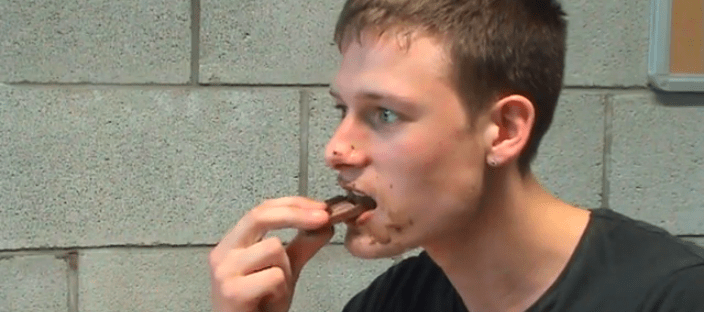
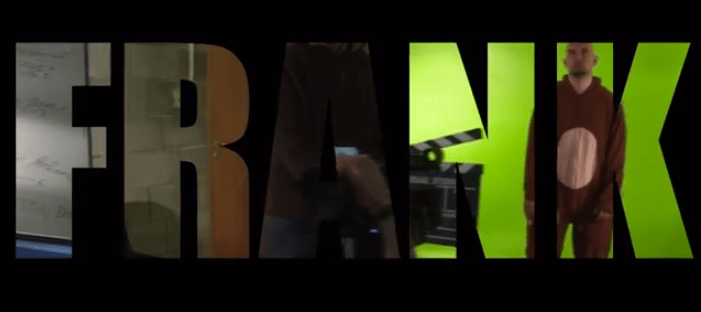
The was a group project that entailed the production of a HDV short film with Foley Sound replacement, ADR dialogue replacement and sound design. The aim was to achieve expertise in the use of cameras, lighting, audio-recording, editing and sound-design.

My Role:

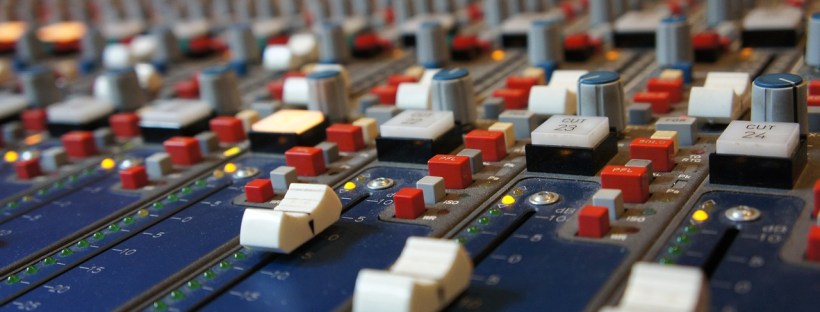
I undertook the responsibility of managing the sound. Dissimilar to our previous projects, I was required to explore the techniques used specifically for sound recording in greater detail. As a team, we decided that all of our audio attributes of the short film would comprise of Foley and ADR methods. Both of these techniques are implemented during the postproduction of a film. As our team captured footage, my sound recording colleague and myself recorded the raw sounds. By recording these raw sounds during filming and then add our own in postproduction, we had complete control over the timing, quality, and relative volume of the sound effects. Same rule applied to how we captured dialogue. Our entire dialogue was re-recorded within the studio. Once we finished capturing the film, we were then able to make a full list of dialogue and Foley requirements. Trying to create the correct recipe for an accurate replication took a few trials. Not all-sound replacement was recorded in the studio. We recorded live atmospheres, birds, cars, door sounds etc. using a Rode microphone. We did this because these sounds were elements that were hard to imitate within the Foley studio. A constant reference to levels was also pivotal. The setup within the studio provided us the opportunity to capture a professional standard of sound recording, making the most of auxiliaries’ sends, buses, headphones, monitors, dual room communication etc. All of our sounds were recorded dry and later effects such as reverb, panning, filtering were added. We put strong use to our knowledge about proximity effect, region recording, and loop playbacks. We recorded several versions of each Foley effect and Dialogue replacement and then selected the best fitting. Once all are sounds were recorded and edited, they were then prepared to be located correctly within the film. The end goal is to make these Foley and ADR’s sounds seem as natural as possible.

Screenshots:

On Set

On Set

On Set 2

On Set 2

On Set 3

On Set 3

Final Product:

Viral Video

Created 2013:

This project was undertaken by myself and my group. Our objective was to create a short clip with the hope that it could go viral. It was an opportunity for us to show case our enhanced skills in editing and also incorporate a green screen into one of our projects for the first time, introducing chroma keying technique.

As described by in the video description, the software that was used was:

Adobe After Effects CS6 (rotoscoping, compositing, chroma-keying)
Adobe Premier Pro CS6 (editing, audio timing)
Adobe Audition CS6 (recording, processing, mixing)
IK Multimedia T-RackS Custom Shop (reverb, EQs, dynamics processing)
Adobe Illustrator CS6 (creating vector lettering for mask)
Adobe Photoshop CS6 (creating ‘Jumbo Hot Dogs’ mask

Short Film: 101 CSIS

Created 2012:

The purpose of this project was to demonstrate our skills regarding video production. The process involved strengthening my knowledge in the correct use of lighting and sound, as well as operating the camera, when recording. This was a team based project and I felt we functioned very well together. Delegating roles and using time efficiently is always key within working as a unit. My primary roles within this project was directing and editing the footage using Final Cut Pro. Our objectives were as follows :

  • Invent a story
  • Draw storyboards / Write a dialogue script / Extract a shot-list
  • Timetable our action
  • Shoot the footage, enhancing your scene with lighting for indoor shots
  • Record at least some of your audio with external microphones
  • Log & Capture in PAL anamorphic not HDV
  • Import additional songs / Voice-Overs / ADR / Sound-design / Commentary

In comparison to previous video projects, I felt we handled our time management a lot better which gave me time to closely edit the short film (it even gave us time to re shoot and add scenes). This was a project I thoroughly enjoyed, specifically the editing duties. The short film itself self is a form of documentary comedy which was influenced by a John Mayor skit. Thought we aimed to be entertaining and provide good acting, our ability to use the equipment and software tools were our primary goals.

Final Product:

Glitch Images

Created 2013:

As I progressed in my Music, Media and Performance course in U.L., my knowledge and appreciation of Digital Arts enhanced. With this, I developed a keen admiration of Glitch Art. The basis of Glitch Art relies on the errors and malfunctions of digital media. A glitch artist seeks to bring something to breaking point; a point that can result in fascinating aesthetic display. Through the means of Photoshop I created a couple of images which mimicked the appearance of a malfunctioning/glitched image. I do this through a means of multiple layering of the same image, altering their RGB, adding noise, re-positioning segments and more.

Glitch Image 1

Glitch Image 1

Glitch 2

Glitch 2

Glitch Guitar

Glitch Guitar


Glitch 3

Glitch 3


Short Animation : Terms of Rhythm

Created 2012:

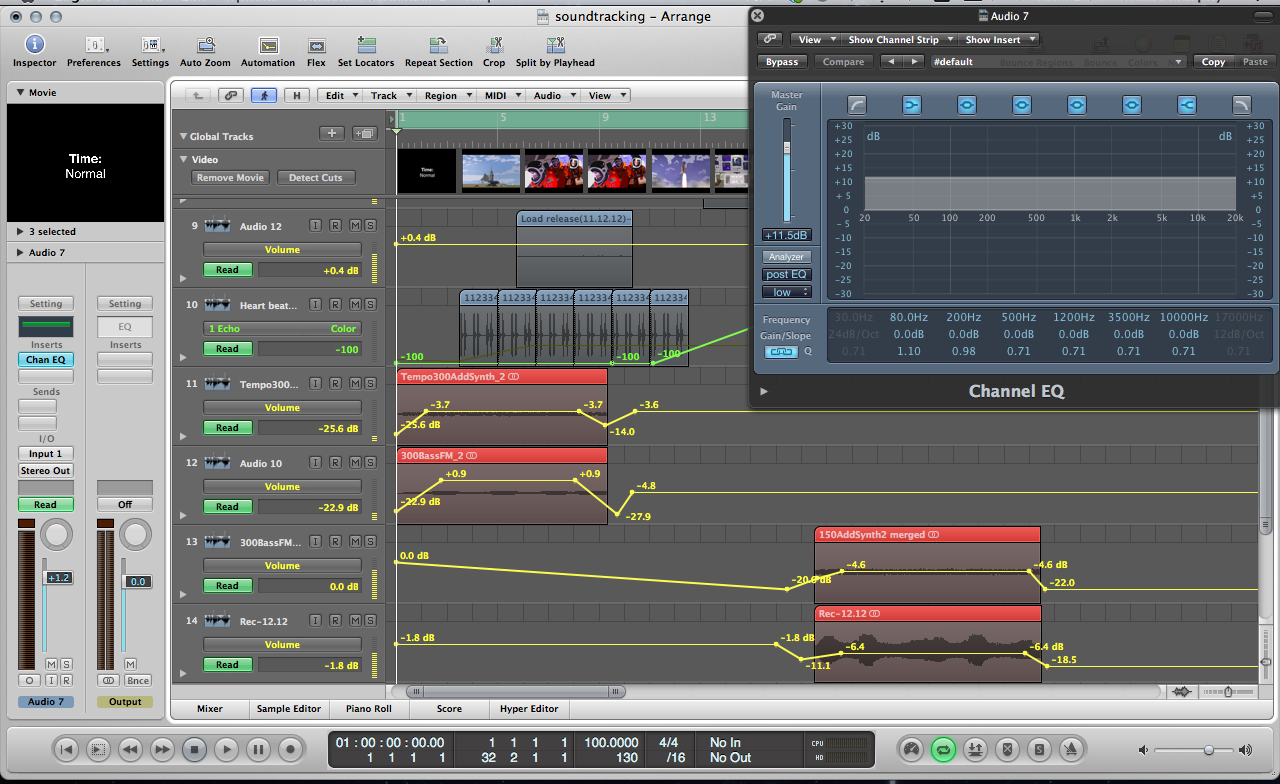
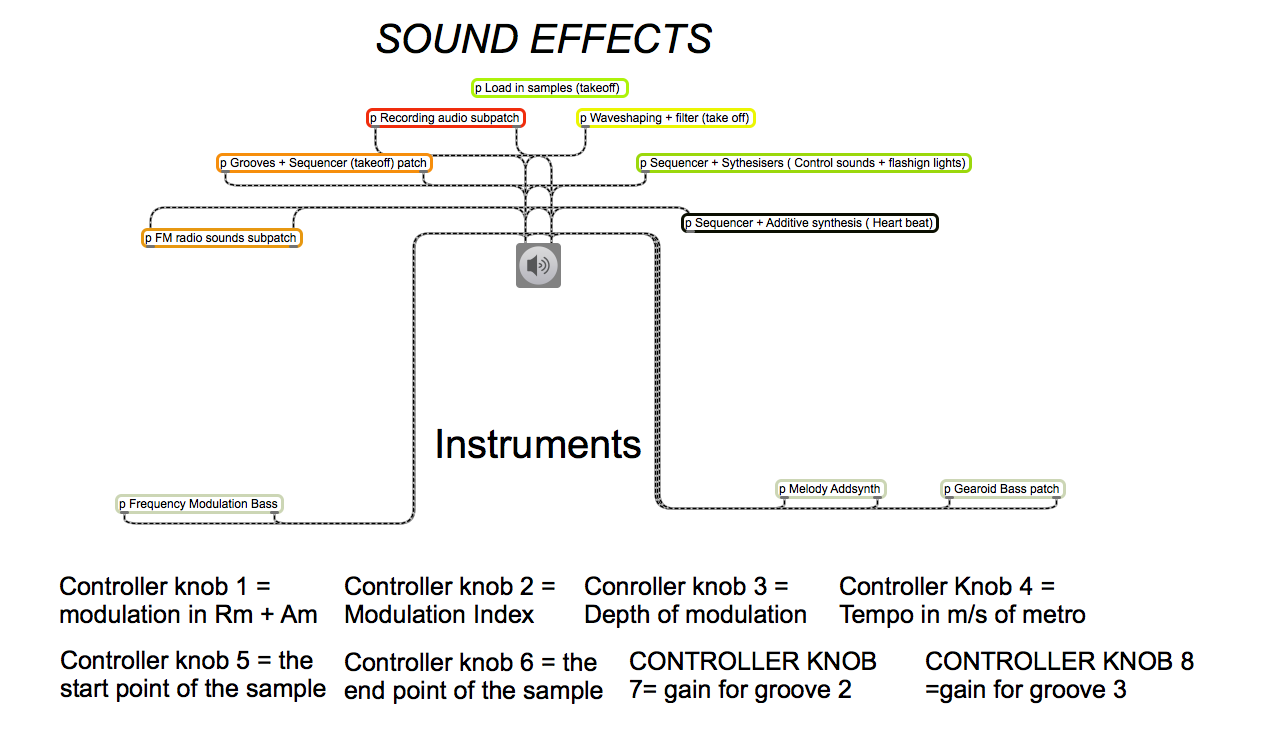
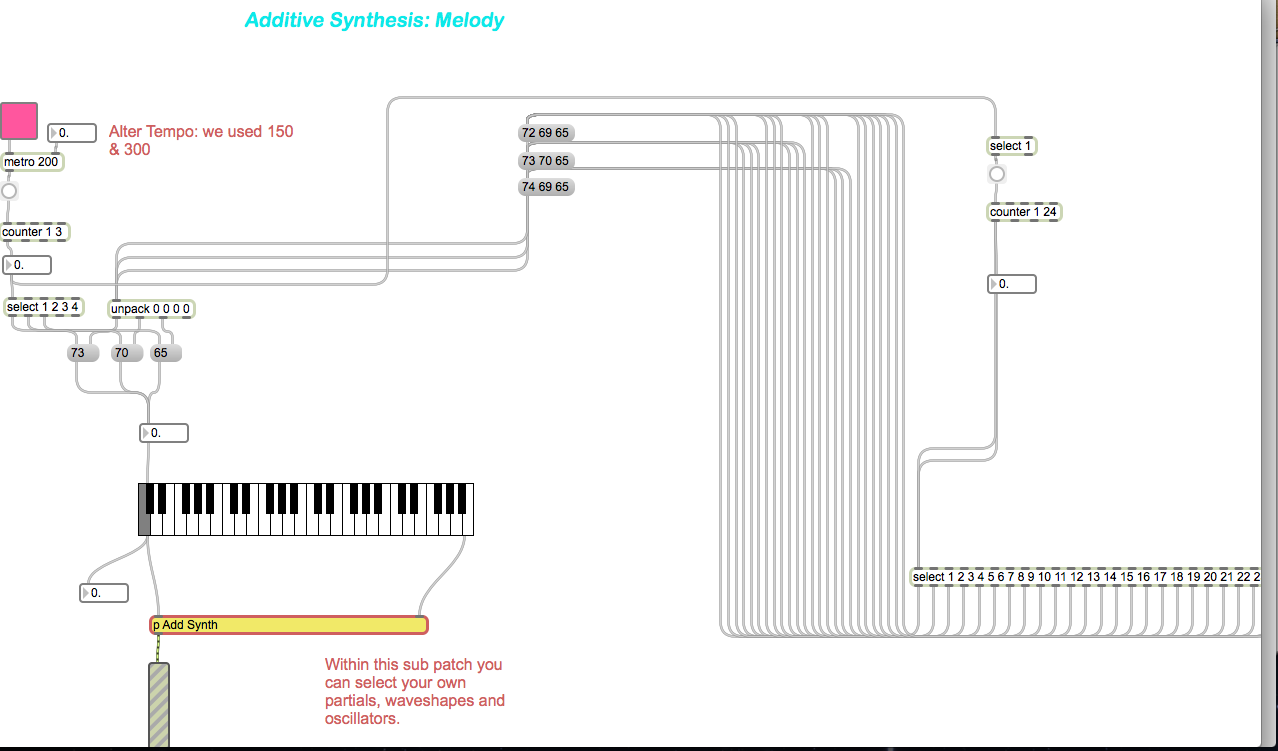
Short clip which combined the use of Max MSP instruments we created to correspond the actions of animation created using Adobe Illustrator.  This was a group project whereby my main responsibility was to create the composition that plays throughout the animation. The composition was created within Max MSP. Further edits were later made to the piece within Logic Pro, just to add an effect or two such as fade ins, volume control, reverb etc. We all shared the workload evenly with others focusing on the animation and sound effects.

Concept:

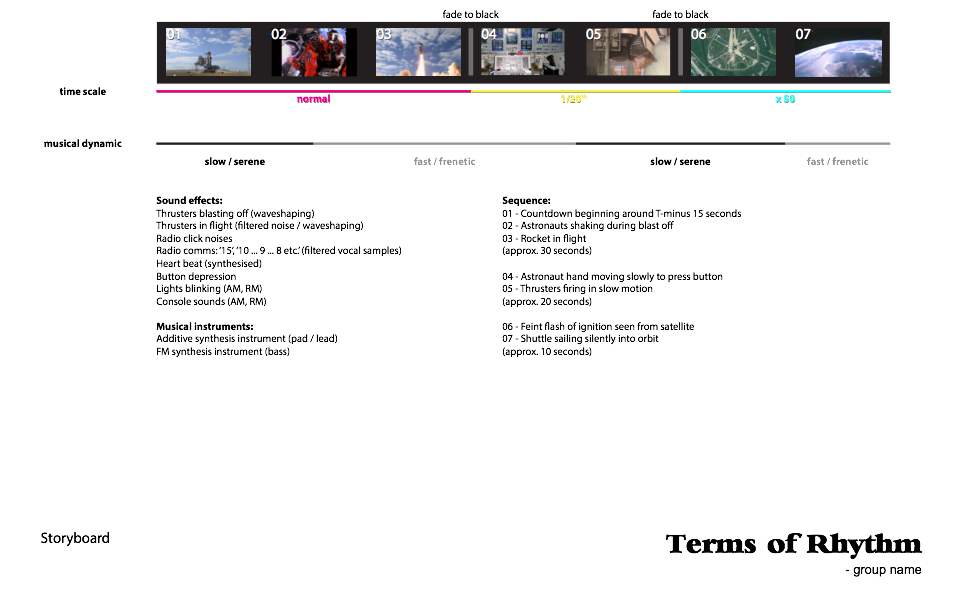
Terms of Rhythm’ explores the emotional aspects of the human psychological and psychophysical responses to events at different time scales. The word rhythm is taken in both its traditional musical sense of ‘regular recurrence, esp. of stresses’ (Chambers 20th Century Dictionary) and also in the broader sense of patterns occurring on scales which lie outside the span of perceptible rhythm where—ordinarily—’the perception of the rhythm, objective or subjective, disappears if the intervals are either too short or too long’ (Fraisse, 1982). It is a study of the human experience of time exemplified in the special case of an astronaut manning a launching space shuttle. The event of the launch is played at 3 different time scales: normal, 1/20th speed, and x50 speed respectively. It is observed that the experience of tension is diminished on those scales far removed from normal human perception raising the question of whether or not the metaphysical essence of the event (as a whole) is maintained invariantly across different time scales. A musical composition characterised by having both slow, serene sections alternated with contrasting fast, frenetic sections is layered over the 3 time sections such that each rate of time is experienced with both slow and fast dynamics. This challenges the viewer’s assumptions of what the astronaut is experiencing emotionally.

Screenshots:

Storyboard

Storyboard

Edits in Logic

Edits in Logic

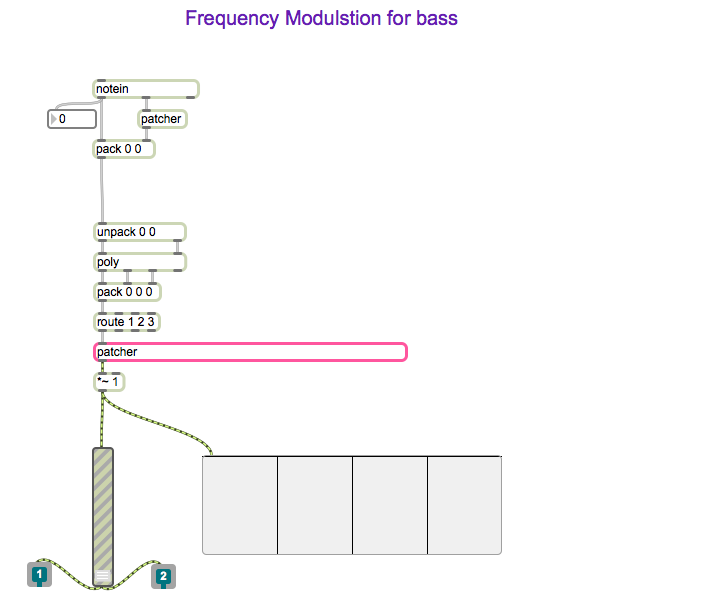
Max MSP Instrument sub patches

Max MSP Instrument sub patches

Max MSP patch segment

Max MSP patch segment

Max MSP patch segment

Max MSP patch segment

Photoshop Poster

Created 2012:

The following image was something that I created using Photoshop. The purpose of the picture was for entertainment. However, the techniques used in creating the picture display my capabilities using Photoshop.


Promo Image

Promo Image

First Short Film: The Big Rob Down

Created 2012:

This was a group project that was given to us in 2012. It was my first real opportunity to be involved in a short film. This projected served as a chance to focus on my technical ability with regards to filmmaking i.e. using equipment and software tools. I was thankful that I was delegated the responsibility of editing the film. The software that I used was Final Cut Pro. I carefully edited the film together paying close attention to audio levels, transitions between scenes, effects, seamless continuity and much more. The film was titled ‘The Big Rob Down’ and is featured below.

30 Minute Radio Show: ‘The Mixxed Bag’

Created 2010:

In 2010 myself and two other colleagues created our very own 30 minute radio show. We performed all tasks our ourselves. Duties involved:

  • Good knowledge of broadcasting and recording equipment.
  • Be familiarized with the broadcasting studio and desk.
  • Preform vox pops and interviews to incorporate into our shows.
  • Having regular meetings to ensure that we can agree on material that we think would be most entertaining for our target audience.
  • Up to date knowledge on news and the music scene.
  • Editing skills using audio software such as Cubase, Audacity or Adobe Audition.

My primary task was the editing. I worked mainly with Adobe Audition and Cubase to piece our show together.I had to decide the best parts from our recordings, edit together with smooth transitions and keep the show under 30 minutes. Additionally, I also performed vox pops, interviews, gave creative inputs and even had a small festival review on the show.

This was the final product of our show:

Poster using Photoshop/Illustrator


Created 2012:

Below is a poster that I created using Adobe Photoshop and Adobe Illustrator. I used Photoshop for the most part of the poster i.e the background, stars, character with guitar. I used Illustrator to create the frame and text for vector purposes i.e. to create the MUSE heading. The only thing not created within the software tools is the image of the guitarist. This project was a great opportunity to practice with as many of the tools as I could and showcase my creativity designing a poster.

My Poster

My Poster

Mario’s Underworld remix using Logic Pro


Created 2011:

We were given a short MIDI file of Mario’s Underworld theme and were to perform our own remix. It was an opportunity for us to practice tempo change, effects, transposing, pen tools, MIDI keyboards and other various tools affiliated with Logic Pro. We were allowed our own creative input as long as the main theme was not lost on the listener. This was one of my earlier projects using Logic Pro and have since become far more familiar with its operations and my ability in using the software is greater.

This was the outcome of my project:

Logic Pro Screenshot

Logic Pro Screenshot